
Analyzing Chinese Football
The user shared a Chinese headline discussing the challenges faced by Chinese Super League teams in regional competitions. They might be looking for commentary or a summary. The statement points to the lack of expectations for success and raises concerns about the connection between club performance and national team success.
I’ll provide a concise analysis, citing key areas for development, such as youth training, tactical discipline, and the importance of competitive environments. I can also suggest actionable metrics to evaluate progress over time.Tactics Against Southeast Asian Teams
I need to provide practical suggestions for facing Southeast Asian teams, especially Thai and Vietnamese clubs known for their quick passing and high pressing.
I could recommend using a 4-4-2 midblock, focusing on protecting half-spaces and preventing the team from being drawn out.

Key tactics would involve utilizing a target man, big center-forward, and effective crossing. I'll also consider mental resilience and travel planning for the national team, ensuring they are well-prepared for humid away matches. Bullet points could be useful for clarity.Structured Analysis of Football Performance
I want to clarify the connection between club performance in the ACL and national team success; it’s important to note that while the results correlate, being behind Southeast Asian teams highlights some issues.
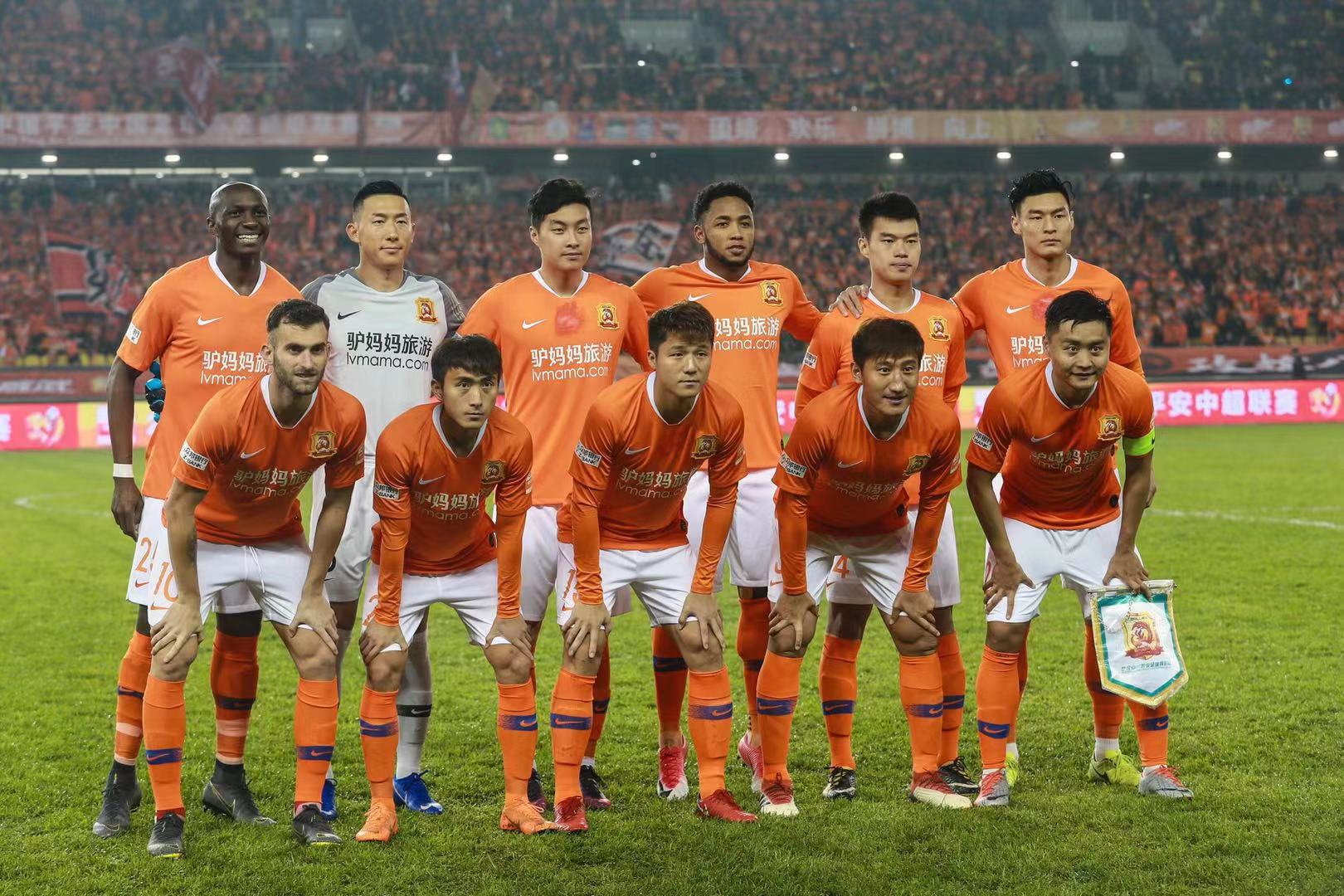
I’ll diagnose gaps focusing on speed, intensity, pressing, decision-making under pressure, and other factors. For the 2023-2024 data, I need to mention clubs like BG Pathum and Buriram while avoiding specific stats to prevent inaccuracies.
My action plan should include short-term training focused on pressing triggers, set-piece efficiency, and acclimatization strategies for the national team and clubs.Scheduling for Football Development
I’m thinking about a friendly scheduling approach for football development. In the medium term (2-3 years), I might suggest adjusting league tempo rules, incentivizing U23 minutes, and focusing on analytical KPIs.
For the long term (5-8 years), I'd emphasize youth academies and specific player position development. I’ll avoid clichés but share specific implementation examples like high-intensity training sessions and monitoring KPIs.
Considering the user's intent is for a concise response, I’ll prepare clear bullet points in Chinese, aiming for a crisp communication style.
观点很尖:不指望亚冠夺冠可以理解,但对东南亚球队都拿不下来,国家队冲世界杯确实没底气。关键不在“面子”,而在能力结构与比赛强度的真实差距。
核心问题
短期对策(12个月)
中期建设(2-3年)
长期路径(5-8年)
对东南亚强队的实操要点
关键KPI(赛季/年内跟踪)
结论:亚冠不夺冠并不等于国家队冲不了世界杯;但如果在东南亚对手身上持续吃亏,说明节奏、强度、细节与关键位置能力落后。把短期对策打实、用联赛去纠正结构性短板,国家队的竞争力才有现实提升路径。需要我基于你关注的某支中超队或国家队最近几场比赛,做一次针对性的技战术复盘和改进清单吗?